
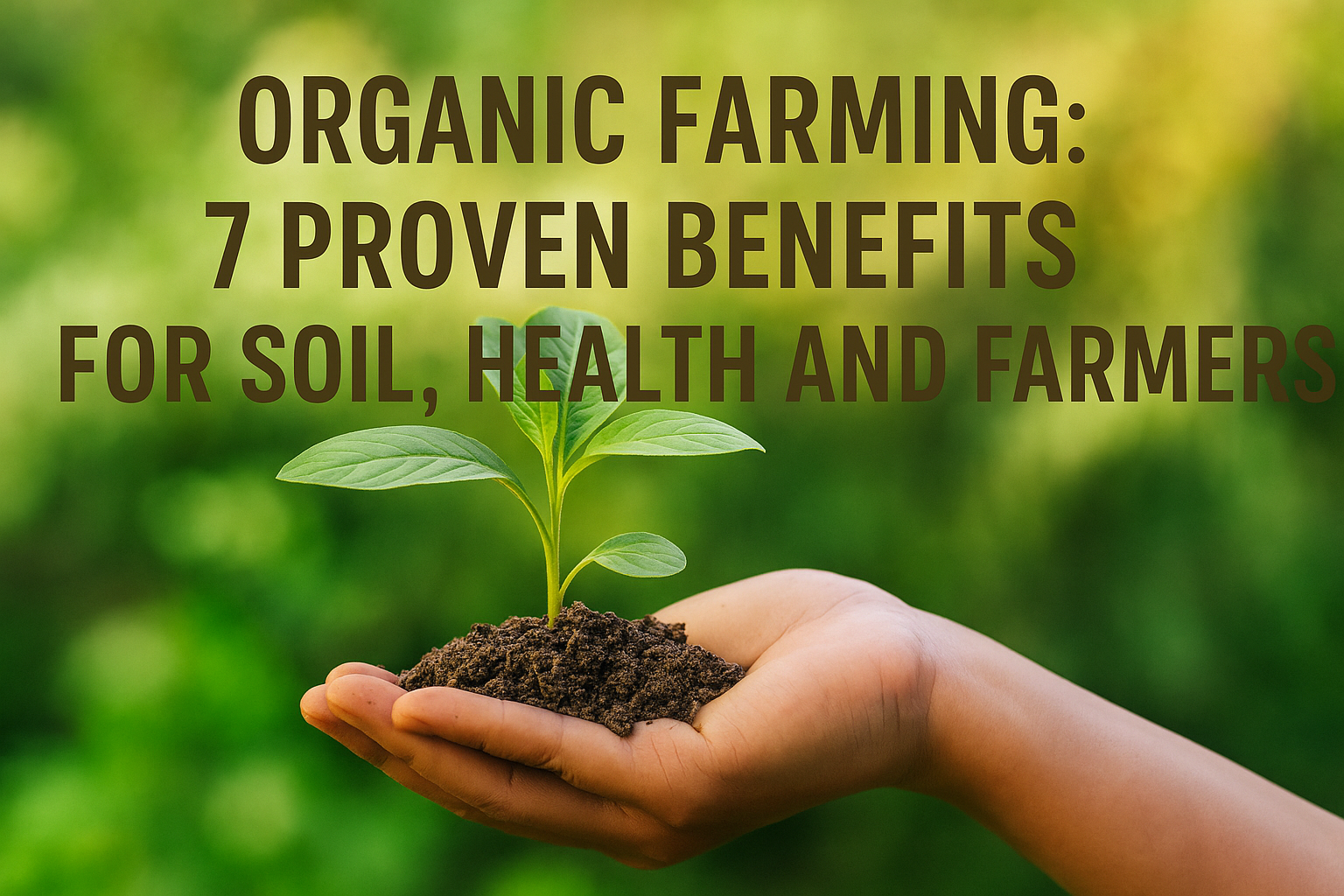
Organic Farming
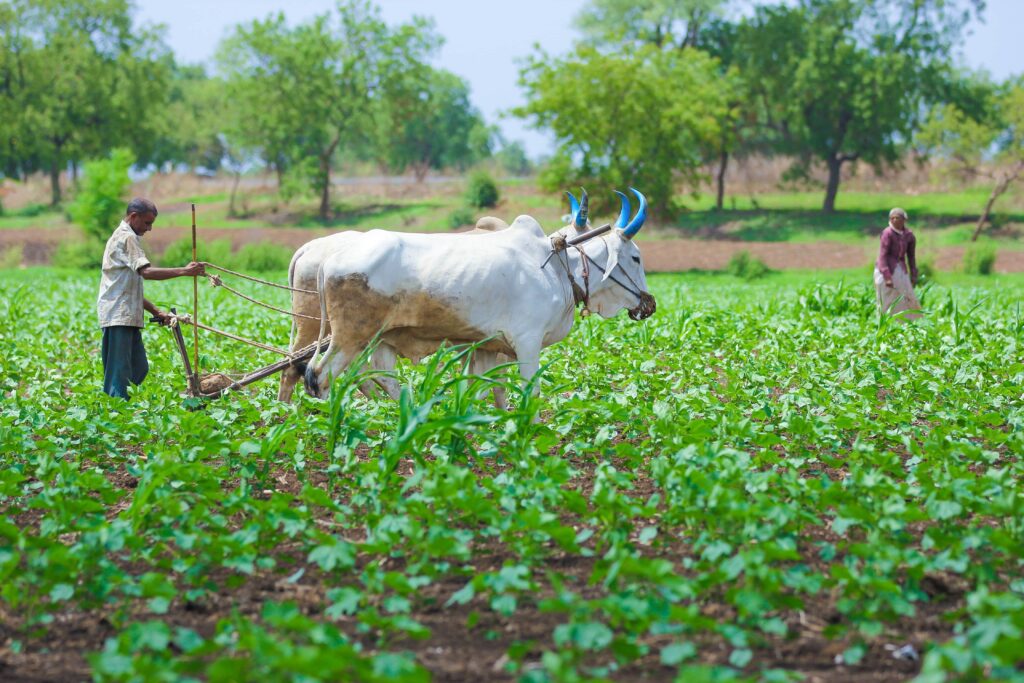
Organic farming is a natural way of growing crops without using harmful chemicals, synthetic fertilizers, or pesticides. In recent years, many farmers and consumers in India have started understanding the importance of this kind of farming for better health, soil quality, and environmental sustainability. This method focuses on maintaining natural balance, improving soil fertility, and producing safe and nutritious food.
This is not just a trend; it is a long-term solution for sustainable agriculture and healthy living. By following traditional practices combined with modern knowledge, farmers can produce high-quality crops while protecting nature.
What is Organic Farming?
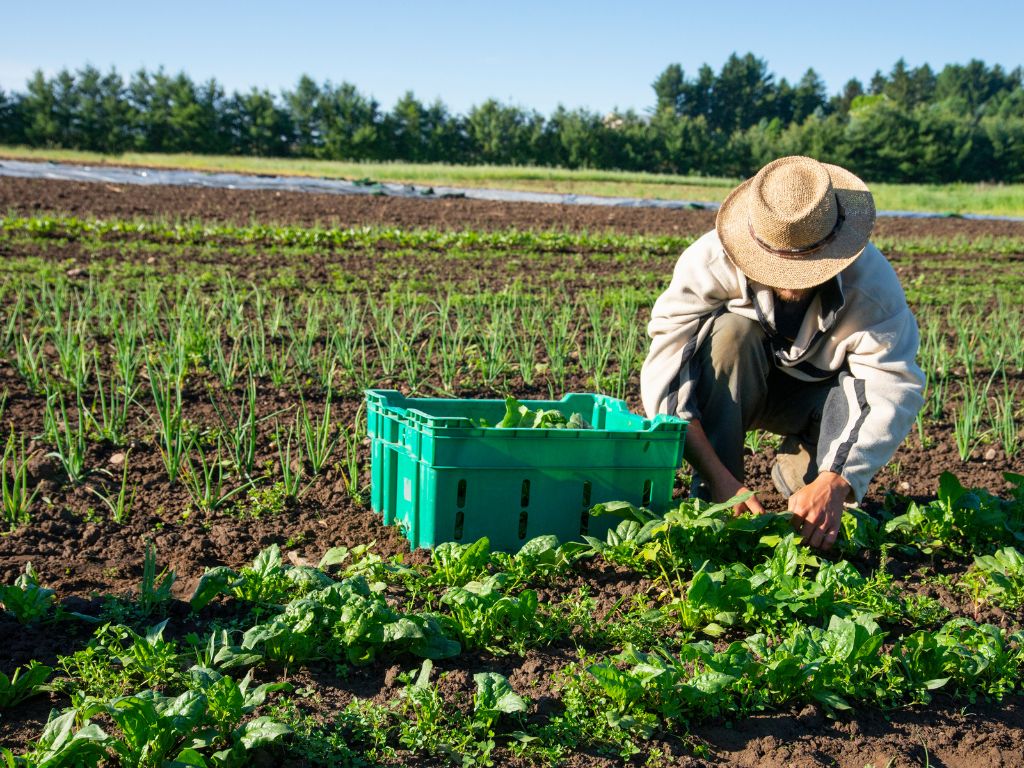
This is a system of agriculture that uses natural inputs like compost, green manure, crop rotation, and biological pest control. It avoids chemical fertilizers and pesticides, which can harm soil, water, and human health.
In it, the focus is on improving soil health and biodiversity. Healthy soil produces healthy crops, and healthy crops lead to better nutrition for people. This farming method also supports traditional agricultural practices that have been followed in India for centuries.
Health Benefits
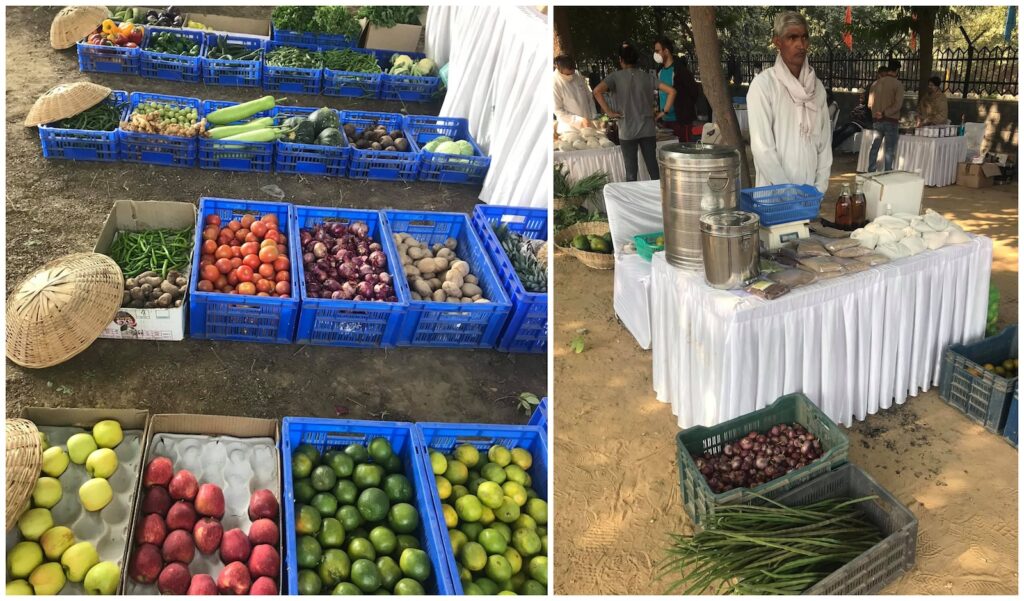
Organic farming offers many benefits for farmers, consumers, and the environment. Organic foods are grown with this kind of farming. One major advantage is the production of chemical-free food that is safer and healthier to consume. Organic crops often contain higher levels of nutrients and antioxidants.
Another benefit is environmental protection. Pest-free farming helps reduce soil pollution, water contamination, and greenhouse gas emissions. It also promotes biodiversity by supporting beneficial insects, birds, and microorganisms.
For farmers, Natural farming can reduce input costs over time and increase profitability through premium pricing in the market.
Methods Used in Organic Farming
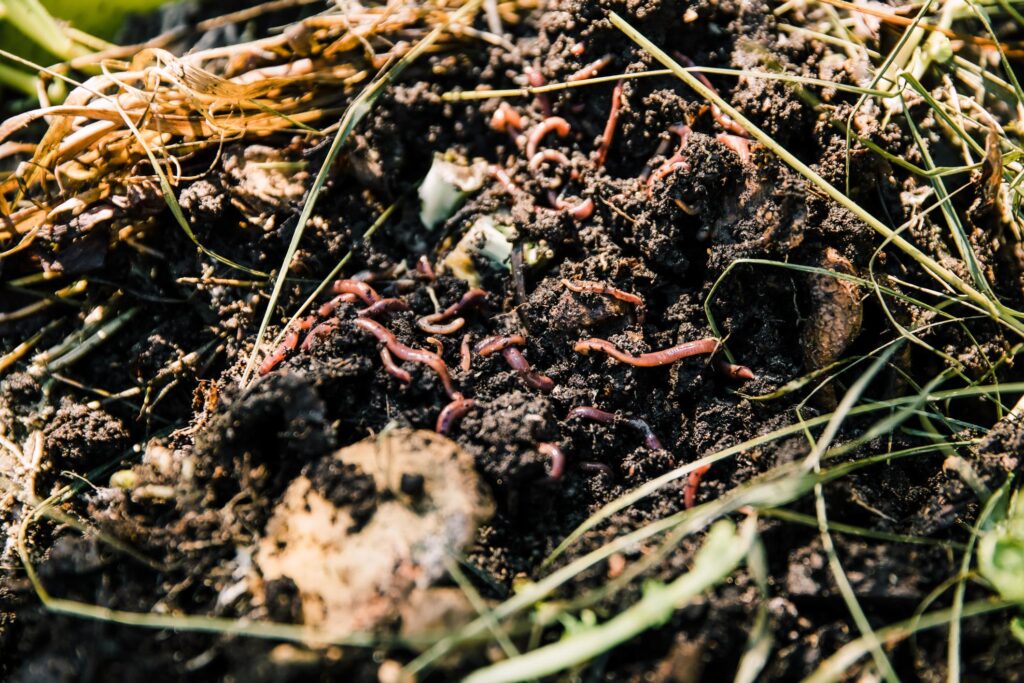
Several natural techniques are used in organic farming to maintain soil fertility and control pests. Composting is one of the most important methods, where organic waste is converted into nutrient-rich fertilizer. Vermicomposting uses earthworms to improve soil quality.
Crop rotation is another essential practice that helps prevent soil nutrient depletion and reduces pest infestation. Mulching helps retain soil moisture, suppress weeds, and regulate soil temperature.
Biological pest control, such as using neem-based solutions or beneficial insects, helps manage pests naturally without harming the ecosystem.
Importance of Herbal Farming in India
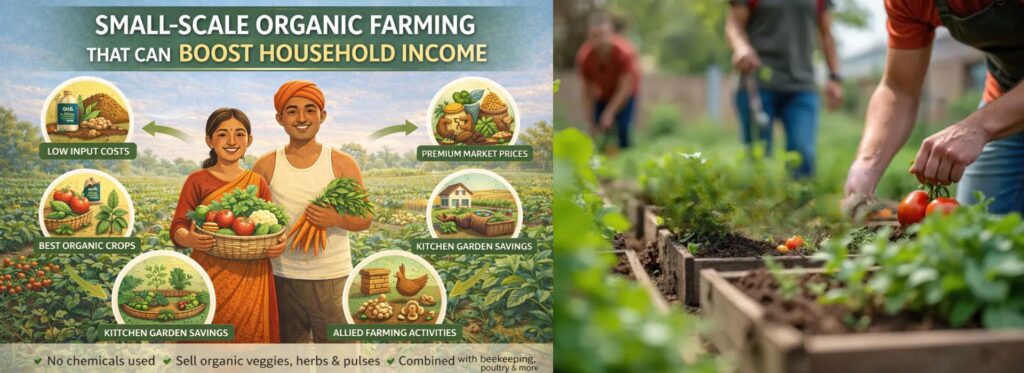
India has a rich history of natural agriculture. Organic farming is especially important for Indian farmers because it supports sustainable land use and reduces dependence on expensive chemical inputs.
With increasing awareness about health and environmental issues, demand for organic products is growing rapidly in India. Government initiatives and certification programs are also encouraging farmers to adopt organic farming practices.
Such farming can play a key role in improving rural livelihoods, ensuring food security, and protecting natural resources for future generations.
Challenges in Organic Farming
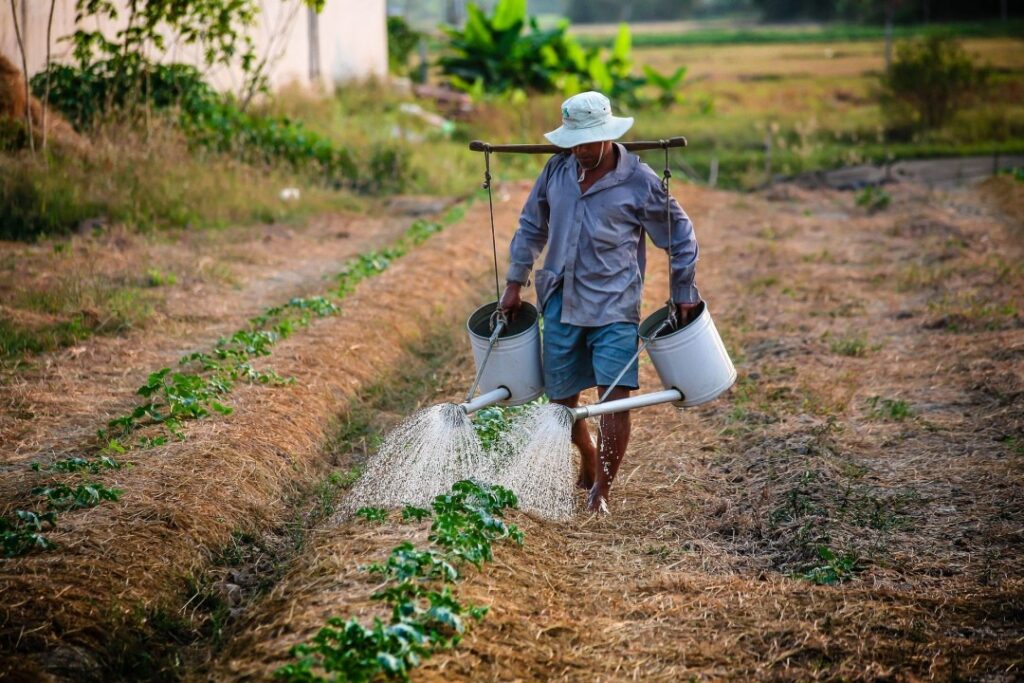
Despite its benefits, this also faces certain challenges. One major challenge is lower yield during the initial transition period from conventional farming to organic methods. Farmers may also need more labour and time to manage crops naturally.
Market access and certification costs can be difficult for small farmers. Lack of awareness and training is another barrier that prevents many farmers from adopting organic farming.
However, with proper education, government support, and consumer awareness, these challenges can be overcome effectively.
Future of Natural Farming
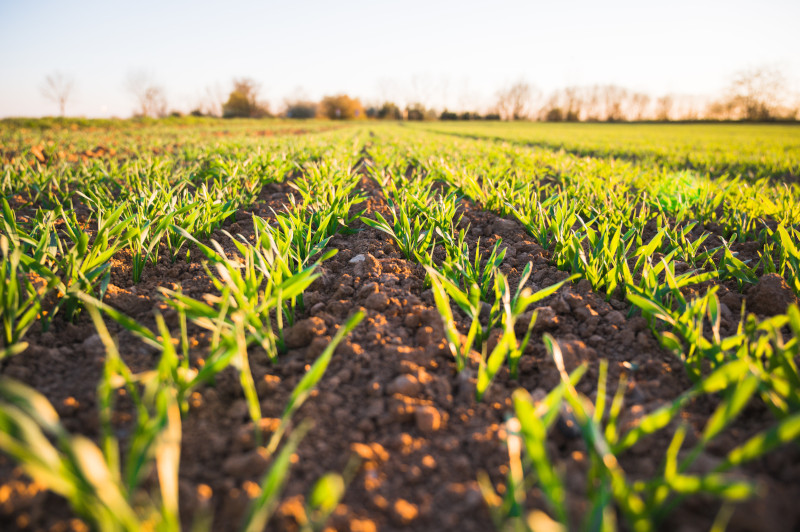
The future of organic farming looks promising as more people are choosing healthy and sustainable lifestyles. Technological advancements, digital marketing, and better supply chains are helping organic farmers reach wider markets.
This farming can contribute significantly to climate change mitigation by improving soil carbon levels and reducing chemical pollution. As awareness increases, organic agriculture is expected to become a major part of global food systems.
By adopting organic farming practices, farmers can protect the environment, improve their income, and provide safe food to society.
Conclusion
Organic farming is a sustainable and eco-friendly approach to agriculture that benefits both people and the planet. By focusing on natural methods, soil health, and biodiversity, this farming system ensures long-term productivity and environmental balance.
As more farmers and consumers understand its importance, pest-free farming will continue to grow and shape the future of agriculture in India and around the world.
Looking to grow in poultry farming and modern agriculture? Visit Fresh Egg Poultry Farm – Shuddh Ande, Swasth Parivar for valuable insights and farming solutions.